

When the time comes to part ways with your old mattress, the process can feel overwhelming, especially when considering its size, bulk, and unwieldy nature. A mattress is not just another piece of household waste; it’s a composite of metal springs, foams, fibers, and fabrics that make proper disposal a challenge. Throwing it out with regular trash is often illegal or impractical, and leaving it on the curb can lead to fines, neighborhood eyesores, and environmental consequences. Beyond legality and logistics, an old mattress can harbor dust mites, allergens, and bacteria, making it imperative to handle it responsibly. Proper disposal requires planning, an understanding of local regulations, and knowledge of eco-conscious solutions. Whether you want to recycle, donate, or hire professionals, each method has benefits and considerations. By approaching this task thoughtfully, you not only free up space but also minimize environmental impact and adhere to safety standards, creating a win-win scenario for both you and your community.
Understanding the Challenge
Mattresses are deceptively complex objects when it comes to disposal. Their size alone makes them difficult to maneuver, transport, and manage, but their construction is also problematic for standard waste management systems. Most municipal curbside programs cannot accept them due to their bulk and the risk of damage to collection equipment. Landfills, when they do accept mattresses, face a long-term problem: mattresses are not biodegradable in any practical timeframe. Left to decompose, the foam and synthetic materials can persist for decades, releasing potentially harmful chemicals and occupying significant space. In addition, mattress springs and metal frames can complicate disposal operations. Even if a mattress seems harmless, tossing it improperly can result in fines, neighborhood complaints, or environmental penalties. Recognizing the challenge is the first step toward responsible disposal. By learning about recycling options, donation programs, and professional removal services, homeowners can take informed actions that prevent long-term ecological harm while also efficiently reclaiming their living spaces from the burden of outdated bedding.
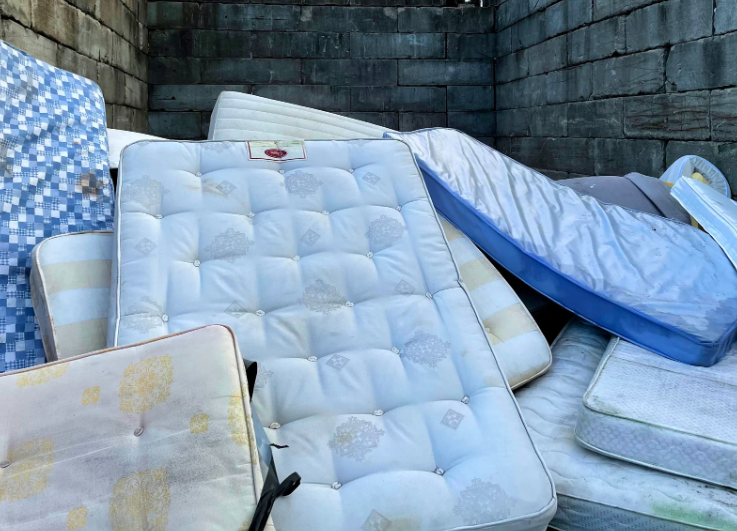
Professional Mattress Removal Services
One of the simplest and most efficient ways to dispose of an old mattress is by hiring a professional mattress removal service. These companies are designed to handle bulky, heavy items that would otherwise require significant effort to move. A reputable service ensures that the mattress is picked up safely, reducing risk of injury from lifting or navigating narrow hallways, stairs, and doorways. Moreover, many of these companies prioritize environmentally responsible practices, ensuring mattresses are recycled whenever possible. Materials such as foam, fabric, and steel springs are separated and sent to recycling facilities, helping reduce landfill waste. Engaging professionals also saves time and effort, allowing homeowners to focus on other priorities instead of grappling with a cumbersome mattress. Before choosing a service, it’s advisable to compare pricing, verify that the company recycles materials responsibly, and confirm their ability to schedule a pickup that aligns with your availability. This approach guarantees a seamless, efficient, and eco-conscious removal experience.
Donate If It’s in Good Condition
If your mattress remains clean, structurally sound, and free from odors, donation is an excellent way to extend its life and help those in need. Many charitable organizations accept mattresses, provided they meet health and safety guidelines. Donating your mattress can provide an affordable solution for individuals or families who cannot otherwise afford one. It also contributes to sustainability by keeping reusable materials out of landfills. However, not all charities accept mattresses due to hygiene and liability concerns. Organizations such as the Salvation Army and local shelters may have specific standards, including the requirement for mattress encasements or recent purchase dates. Contacting these organizations directly ensures your mattress meets their criteria, avoiding wasted trips or confusion. By donating a mattress, you simultaneously provide comfort to someone else, participate in a community-oriented solution, and prevent unnecessary environmental waste.
Utilize Retailer Take-Back Programs
Many mattress retailers now offer take-back programs as part of the purchase of a new mattress. This service allows customers to exchange an old mattress for proper disposal, often at the same time as delivery of the new item. Retailer programs typically ensure the mattress is either recycled or disposed of according to environmental regulations, reducing the likelihood of landfill accumulation. Using a take-back service can simplify logistics significantly, as the retailer handles the heavy lifting, transportation, and adherence to waste regulations. However, fees and availability vary between retailers, so it is important to confirm these details ahead of time. Take-back programs provide a convenient and responsible solution, removing the burden from the homeowner while supporting recycling initiatives. By taking advantage of these programs, you streamline the process, comply with local laws, and ensure that mattress materials such as metal springs, foam, and textiles are recovered for beneficial use, rather than discarded irresponsibly.
Self-Drop Off to a Recycling Center (continued)
If you prefer to handle the process yourself, dropping off a mattress at a local recycling center is an effective option. Many centers accept mattresses and break them down into individual components: metal frames, foam, and textiles, which are then repurposed or recycled. This method requires careful preparation, including confirming hours, fees, and any pre-treatment required, such as encasing or disassembling the mattress. Transporting a mattress on your own may seem challenging, especially for larger sizes, but it can save on service fees and allow you to see exactly how the materials are processed. Some recycling centers also offer educational tours or resources about responsible disposal practices, helping homeowners understand the environmental impact of their choices. By taking a hands-on approach, you can ensure your mattress is fully recycled and contribute to reducing landfill waste, all while reclaiming space in your home efficiently.
Repurpose or Upcycle the Mattress
For those with a creative or DIY mindset, repurposing or upcycling an old mattress can turn a bulky problem into an innovative project. Components of a mattress, such as foam, springs, and fabric, can be transformed into practical or decorative items. Foam sections can be cut and repurposed as pet beds, seat cushions, or soundproofing panels for home studios. Springs, once removed, can be creatively integrated into garden trellises, craft projects, or furniture reinforcements. Fabric and padding can be transformed into quilts, tote bags, or insulation material. Upcycling not only diverts waste from landfills but also provides a sustainable alternative for home projects. It allows homeowners to engage in environmentally conscious creativity, giving new life to materials that would otherwise become trash.
Check Local Regulations and Services
Before disposing of a mattress, it is essential to familiarize yourself with local regulations and available services, as guidelines vary widely between cities and municipalities. Some local governments offer bulk waste pickup or designated collection days specifically for large items like mattresses and box springs. Others may require appointments or fees for curbside pickup, while some areas strictly prohibit dumping without proper authorization. Public works departments and municipal websites are excellent resources to clarify legal requirements, fee structures, and acceptable disposal practices. Understanding these rules prevents fines, ensures compliance, and often reveals convenient disposal options that might otherwise be overlooked. Additionally, some municipalities partner with recycling centers or nonprofit organizations, offering residents an environmentally responsible way to dispose of old mattresses.
Environmental Impact of Mattress Disposal
Understanding the environmental impact of mattress disposal underscores why responsible handling is crucial. Traditional landfills are ill-equipped to process mattresses efficiently, as the combination of synthetic foams, plastics, and metal springs can take decades to decompose. As they break down, chemical residues can leach into the soil and groundwater, posing long-term environmental hazards. By diverting mattresses from landfills through recycling, donation, or professional removal services, homeowners actively contribute to sustainability. Recycling centers separate materials, enabling metals to be melted and reused, foams to be repurposed for cushions or insulation, and fabrics to be processed into industrial or consumer products. Even small actions, like opting for a retailer take-back program or upcycling parts of a mattress, reduce overall waste and lessen ecological strain.
Environmental Impact of Improper Mattress Disposal
Understanding the environmental consequences of improper mattress disposal highlights why responsible removal is so important. When mattresses are dumped in landfills, they occupy excessive space and take decades, sometimes over a century, to decompose. Foam and synthetic materials release harmful chemicals into the soil and groundwater, while metal springs and frames contribute to unnecessary waste accumulation. In addition, mattresses that are discarded illegally or left on the curb can attract pests, create unsanitary conditions, and contribute to neighborhood blight. Recycling, donation, and professional removal programs mitigate these risks by ensuring that materials are either reused or broken down into components that can re-enter production cycles. Choosing environmentally responsible disposal methods not only reduces landfill impact but also preserves natural resources, conserves energy, and supports a more sustainable community.
Conclusion
Disposing of an old mattress is more than a simple chore—it’s an opportunity to make environmentally responsible choices, reclaim living space, and potentially help others in need. By exploring professional removal services, donation opportunities, retailer take-back programs, recycling centers, and creative upcycling projects, homeowners can find the solution that aligns best with their needs, values, and resources. Each method offers a balance of convenience, environmental benefit, and community contribution, ensuring that your old mattress is handled safely, efficiently, and sustainably. For residents in Frankfort, Illinois, who want a seamless and eco-conscious mattress removal experience, Junk Bunker Junk Removal provides reliable assistance. Their team ensures proper disposal and recycling while saving you time and effort. To schedule a pickup or learn more, contact them at 815-524-4600 or [email protected]. Choosing professional help ensures that your mattress is disposed of responsibly, while giving you peace of mind and a clutter-free home.