

How to Properly Dispose of Commercial Junk Items
Every commercial space, whether it’s an office, warehouse, restaurant, or retail store, generates junk over time. Outdated furniture, broken appliances, old electronics, and piles of unused materials eventually become obstacles that affect productivity and professional image. Unlike household clutter, commercial junk requires a more structured and responsible approach for disposal. Simply throwing everything in a dumpster often isn’t an option because of regulations, safety concerns, and environmental responsibility. Knowing the proper way to handle commercial junk is crucial for businesses that want to remain efficient and sustainable. By understanding the process and available solutions, companies can reclaim space while doing their part for the environment.
Understanding what qualifies as commercial junk
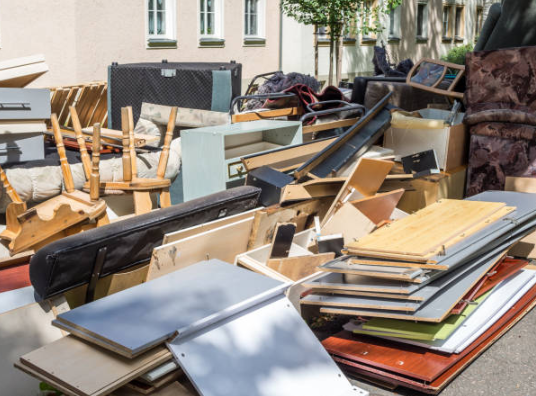
Commercial junk includes a wide variety of items, from bulky office desks and cubicles to outdated machinery, retail displays, or restaurant equipment. These are items that no longer serve a purpose but are too large or complex to discard like everyday trash. Businesses often hold onto them longer than necessary, either due to lack of resources or uncertainty about how to remove them responsibly.
Recognizing what qualifies as junk is the first step toward proper disposal. Broken furniture, obsolete electronics, and damaged fixtures may seem harmless, but they take up valuable space and contribute to clutter that hinders efficiency. Even items in storage areas can quickly become liabilities rather than assets if they’re never used again. By classifying unused or unusable items as commercial junk, businesses create a clear action plan for disposal. This clarity allows them to avoid procrastination and make space for growth, modernization, and improved functionality.
The importance of responsible junk disposal
Proper junk disposal isn’t just about keeping a workplace tidy—it’s about fulfilling a responsibility to employees, customers, and the environment. Dumping items without care can create hazards, violate disposal laws, and contribute to landfill overflow. For businesses, such carelessness can damage their reputation and even result in penalties.
Responsible junk disposal means ensuring items are either recycled, repurposed, or handled through professional services that follow regulations. Many commercial items contain materials like metal, glass, or electronics that require special processing. Taking a responsible approach ensures hazardous components are handled safely, while usable materials are given a second life. Companies that prioritize responsible disposal also send a positive message about their values, showing commitment to sustainability and community well-being. By taking this step seriously, businesses not only declutter their spaces but also reinforce their credibility and long-term vision.
How to separate reusable and non-reusable items
Sorting is one of the most important steps in commercial junk disposal. Businesses often deal with a mix of items, some of which can be donated or recycled, while others must be discarded. Taking the time to separate these categories reduces waste and makes the disposal process far more efficient.
Reusable items such as gently used office chairs, tables, or storage units can be donated to local organizations or resold. Electronics, if still functional, may also find second lives in schools or community centers. Non-reusable items include broken, hazardous, or outdated materials that cannot be safely repurposed. By creating a system for separation, businesses minimize landfill contributions while maximizing value from items that still hold potential. This process not only streamlines removal but also promotes sustainability. Clear categorization ensures that nothing is discarded carelessly and every effort is made to extend the lifecycle of materials.
The role of recycling in commercial junk removal
Recycling is a critical part of responsible commercial junk disposal. Many items businesses throw away contain valuable materials that can be repurposed, reducing demand for new resources. Metals from old appliances, plastics from fixtures, and even paper from office cleanouts all have recycling potential.
When businesses recycle, they do more than reduce landfill waste they actively contribute to a more sustainable economy. Recycling also helps companies align with environmental regulations, avoiding potential fines while demonstrating eco-consciousness. For instance, electronics often contain hazardous materials that must be processed properly, and recycling centers specialize in handling these safely. By incorporating recycling into their junk removal process, businesses enhance their green initiatives, strengthen community relationships, and reduce their overall environmental footprint. This approach transforms disposal from a burden into an opportunity, turning waste into resources while improving public perception of the company’s values and practices.
Why professional services are essential for large-scale disposal
Handling large volumes of commercial junk isn’t something most businesses can manage alone. The logistics of moving heavy furniture, disposing of broken appliances, or clearing out entire offices demand resources that may not be available internally. Professional junk removal services offer a solution by taking on the heavy lifting, transportation, and proper disposal methods.
These services are equipped with the tools, vehicles, and expertise needed to handle large-scale projects efficiently and safely. They understand disposal regulations and know how to recycle, donate, or discard items responsibly. For businesses, outsourcing junk removal saves time, reduces liability, and ensures compliance with local laws. Instead of disrupting daily operations, professionals manage the process seamlessly, allowing employees to stay focused on their core work. The result is a stress-free experience that restores space, reduces risks, and guarantees commercial junk is handled the right way.
Safety concerns when disposing of heavy items
Large commercial junk items like filing cabinets, machinery, or restaurant equipment can pose significant safety hazards if not handled properly. Attempting to lift or transport these items without the right equipment or training risks serious injuries. Property damage is another possibility when heavy items are moved carelessly through hallways, elevators, or stairwells.
Professional junk removal services mitigate these risks by using trained crews and specialized equipment to move heavy objects safely. This ensures that neither employees nor the property itself are put in harm’s way. Safety also extends to the disposal phase, where hazardous materials like refrigerants or electronics require careful handling to avoid environmental damage. Businesses that attempt disposal without proper knowledge may unintentionally create liability. Prioritizing safety during junk removal protects staff, tenants, and customers while ensuring compliance with health and safety standards. Ultimately, investing in professional disposal safeguards both people and property.
Cost efficiency of outsourcing junk removal
At first glance, handling junk removal in-house might seem cost-effective, but hidden expenses quickly add up. Renting trucks, paying disposal fees, and dedicating staff hours to hauling items can become more expensive than anticipated. In contrast, professional junk removal services offer an all-inclusive solution that eliminates these scattered costs.
By outsourcing, businesses benefit from predictable pricing and streamlined processes. Professionals handle transportation, disposal, and recycling, reducing overhead expenses and freeing employees to focus on revenue-generating tasks. The time saved translates into real financial value, as operations remain uninterrupted. Additionally, junk removal companies often have partnerships with recycling centers and donation facilities, further reducing costs while maximizing efficiency. When viewed holistically, outsourcing proves more cost-effective than piecemeal in-house solutions.
Environmental impact of improper disposal
When commercial junk isn’t disposed of properly, the consequences extend far beyond clutter. Items like electronics, appliances, and chemical-based equipment often contain hazardous materials that leach into soil and water if sent to landfills. Over time, this contributes to pollution that harms ecosystems and human health.
Businesses play a critical role in reducing this impact by committing to eco-friendly disposal practices. Partnering with professional junk removal services ensures items are recycled, donated, or processed in accordance with environmental regulations. This not only protects natural resources but also enhances a company’s reputation as a responsible community member. In an era when customers value sustainability, improper disposal can tarnish a brand’s image and credibility. By contrast, responsible practices demonstrate care for the environment while reinforcing corporate responsibility.
Legal and regulatory considerations for businesses
Commercial junk disposal isn’t just a logistical challenge—it’s also governed by strict regulations. Businesses that fail to follow proper procedures can face fines, penalties, or even legal action. Local governments often have rules about how electronics, hazardous materials, or large items must be handled. Ignoring these requirements not only risks compliance issues but can also damage a company’s reputation.
Professional junk removal services help businesses navigate this complex landscape. They stay updated on disposal laws and ensure that all materials are processed correctly, whether through recycling, donation, or specialized waste facilities. For businesses, this provides peace of mind and reduces liability. Instead of worrying about regulatory pitfalls, managers can trust that their junk is being handled responsibly.
Building a sustainable image through proper junk disposal
Today’s businesses are increasingly judged by their environmental and social practices. Proper junk disposal provides an opportunity to build a sustainable image that resonates with clients, employees, and the community. When businesses commit to recycling, donating, and eco-friendly practices, they demonstrate values that go beyond profit.
This sustainable image strengthens brand identity and attracts environmentally conscious clients or tenants. Employees also feel proud working for companies that take responsibility for their impact, boosting morale and engagement. By investing in proper junk disposal, businesses position themselves as leaders in sustainability, standing out in competitive markets. Over time, these practices create long-term value, both in reputation and operations.
Conclusion
Proper disposal of commercial junk items is essential for maintaining efficiency, safety, and compliance in any business environment. From separating reusable materials to recycling and addressing legal requirements, each step plays a role in reducing clutter while protecting the environment. Professional services make the process easier, safer, and more cost-efficient, allowing businesses to stay focused on their priorities while ensuring items are handled responsibly. Companies that adopt sustainable junk disposal practices not only reclaim space but also strengthen their reputation and long-term growth.
For professional commercial junk removal, contact Junk Bunker Junk Removal in Frankfort, IL. Call 815-524-4600 or reach out via email to schedule services designed to make junk disposal simple, efficient, and environmentally responsible.