

5 Key Factors to Consider for Warehouse Cleanouts
Warehouses are designed to store, organize, and protect valuable inventory, but over time, these spaces can become cluttered and difficult to manage. From outdated equipment and unused pallets to piles of packaging waste, excess items often consume more room than intended. A warehouse cleanout is not just about sweeping floors or discarding a few boxes it requires a strategic approach that balances safety, efficiency, and long-term planning. Whether your warehouse supports a small business or serves as a large distribution hub, understanding the most important factors before beginning a cleanout can save time, reduce costs, and improve daily operations. Careful planning ensures the process goes smoothly, while professional assistance helps guarantee items are removed safely and responsibly. By focusing on the right considerations, warehouse cleanouts can transform chaotic environments into highly functional spaces ready for growth and productivity.
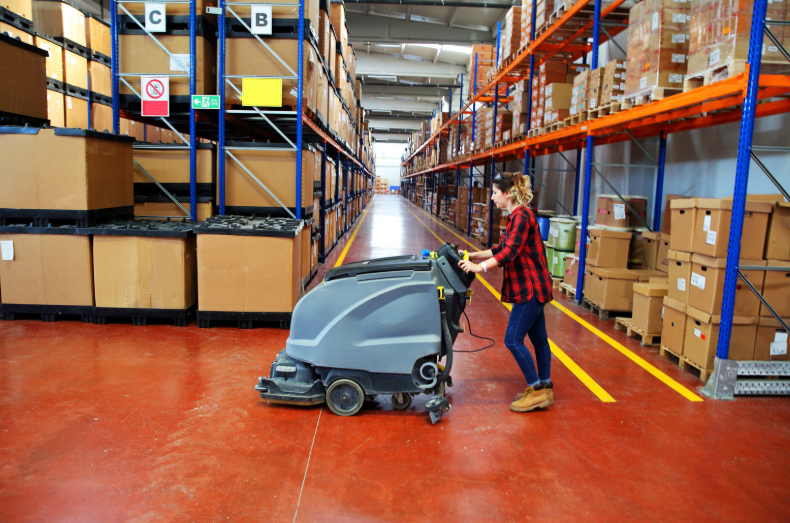
Planning and preparation for a successful cleanout
Every effective warehouse cleanout begins with thorough planning and preparation. It’s not enough to simply dive into the process without first developing a roadmap. By identifying what needs to be removed, what should be kept, and how materials will be handled, businesses reduce disruptions and avoid unnecessary delays. This preparation phase also includes coordinating schedules with staff, assessing which areas require immediate attention, and allocating resources like labor, equipment, and transportation.
Preparation also involves anticipating challenges. Large or hazardous items may require special handling, while sensitive inventory could need secure relocation during the process. By addressing these considerations upfront, businesses ensure smoother transitions. A detailed plan minimizes downtime, keeps employees safe, and prevents costly mistakes. Proper planning does more than organize tasks—it sets the foundation for efficiency, ensuring the warehouse cleanout is completed effectively while supporting broader operational goals. Strategic preparation is the cornerstone of a successful outcome.
Addressing safety concerns during the process
Warehouse environments often contain heavy machinery, stacked inventory, and bulky equipment, making safety a central priority during cleanouts. Without proper precautions, accidents such as falls, trips, or injuries from lifting heavy items can occur. Establishing clear safety protocols before starting helps reduce these risks significantly. This may include providing protective gear, training staff on safe lifting techniques, and identifying potential hazards like blocked walkways or unstable stacks.
Professional junk removal services are particularly valuable for safety. Their teams are trained to handle oversized or dangerous items without jeopardizing the well-being of staff. In addition, they are equipped with specialized tools that allow for safe transport and disposal. By prioritizing safety, businesses not only protect employees but also avoid potential liabilities. A cleanout should never come at the expense of workplace security. Managing safety proactively ensures the process is not only efficient but also respectful of the people carrying it out.
Efficient sorting and categorization of warehouse contents
Warehouses often accumulate a wide variety of items, from functional inventory to obsolete equipment and recyclable materials. Sorting through this mix is a key step in ensuring the cleanout process is productive. Creating categories—such as keep, donate, recycle, or discard—streamlines decision-making and prevents confusion. This structured approach allows valuable resources to be identified and preserved rather than lost in the shuffle.
Organized sorting also aids in compliance with environmental regulations. Many materials, such as electronics or metals, require specific disposal methods to avoid fines or environmental harm. Professional junk removal services can assist in separating items appropriately and directing them to recycling centers or donation facilities. Effective categorization reduces waste, maximizes resource recovery, and contributes to sustainable practices. Beyond compliance, it fosters operational efficiency by ensuring the warehouse is not only cleared of clutter but also optimized for future use. Careful sorting is the backbone of a successful cleanout.
Choosing professional junk removal services
While warehouse staff may be capable of handling basic organization, larger cleanouts often require professional assistance. Commercial junk removal services provide the expertise, manpower, and equipment necessary to tackle large-scale projects efficiently. They understand how to safely remove heavy equipment, dispose of hazardous materials, and recycle items responsibly. This professional approach ensures that cleanouts are thorough and compliant with legal standards.
Partnering with a removal service also saves time and energy for warehouse employees, who can remain focused on their primary responsibilities. Outsourcing the process reduces disruptions, lowers risks, and guarantees that the project is handled by experienced professionals. Additionally, removal companies often have connections to recycling facilities and donation centers, further streamlining the process. Choosing professional help transforms an overwhelming task into a manageable operation, providing peace of mind while enhancing overall efficiency. It’s a practical investment that ensures warehouse cleanouts are conducted quickly, safely, and sustainably.
Maximizing long term efficiency after a cleanout
A warehouse cleanout should not be viewed as a one-time project but as an opportunity to create lasting efficiency. Once clutter is cleared, businesses gain a chance to reconfigure layouts, improve inventory management, and implement organizational systems that prevent future build-ups. Clear labeling, designated storage areas, and regular maintenance schedules can help sustain cleanliness long after the cleanout is complete.
By maximizing long-term efficiency, businesses improve productivity and reduce operating costs. Workers spend less time searching for items, equipment is easier to access, and the entire warehouse becomes safer to navigate. Cleanouts also provide a fresh start for integrating modern technologies like automated storage systems or digital inventory tracking. Treating the cleanout as part of a larger operational strategy ensures it has lasting value. Rather than returning to old habits, businesses can use the momentum to maintain a streamlined environment that supports growth and adaptability over time.
Conclusion
Warehouse cleanouts are complex projects that require careful planning, strict attention to safety, and a focus on both immediate and long-term goals. From sorting materials effectively to partnering with professional junk removal services, each factor contributes to a smooth and efficient outcome. By addressing these key considerations, businesses not only reclaim valuable space but also build safer, more productive environments that support growth and sustainability. A warehouse free of clutter is more than just organized it becomes a foundation for efficiency and long-term success.
For expert warehouse cleanout services, contact Junk Bunker Junk Removal in Frankfort, IL. Call 815-524-4600 or connect via email to schedule professional assistance tailored to your needs.