

Junk Removal plays a vital role in supporting cleaner environments for future generations by ensuring communities remain organized, safe, and free from harmful debris. Accumulated waste can contaminate soil and water, attract pests, and create hazards that threaten public health and environmental sustainability. Regular Junk Removal encourages responsible disposal practices, reduces clutter in residential and commercial areas, and preserves natural spaces for continued use. By maintaining clean streets, parks, and public areas, communities can protect ecosystems, minimize pollution, and create healthier living conditions for residents. Over time, consistent Junk Removal fosters environmental awareness, instills sustainable habits, and helps build a foundation for a cleaner, safer, and more organized world for generations to come.
Reducing Environmental Pollution
Junk Removal minimizes pollution in neighborhoods, parks, and public spaces by removing debris that can leach chemicals or contribute to soil and water contamination. By managing waste responsibly, communities prevent harmful substances from entering the environment. Regular Junk Removal ensures cleaner air and water while protecting plants, animals, and residents from exposure to pollutants. Over time, consistent efforts reduce long-term environmental damage, support sustainability, and encourage neighbors to adopt responsible habits. Keeping spaces free from unnecessary junk promotes a healthier, cleaner community that benefits both current and future generations while preserving ecosystems for continued use.
Protecting Wildlife and Ecosystems
Debris and discarded materials can harm wildlife by causing entanglement, ingestion, or habitat disruption. Junk Removal removes these hazards, allowing ecosystems to function naturally and safely. By maintaining clean environments, communities protect local flora and fauna, ensuring balanced and thriving ecosystems. Regular Junk Removal practices reduce risks to animals and preserve natural habitats for future generations. Over time, organized and waste-free spaces foster biodiversity, encourage healthy ecosystems, and promote awareness of environmental responsibility among residents. Protecting wildlife and their habitats demonstrates the critical role of Junk Removal in sustainable community practices and long-term ecological health.
Eliminating Wildlife Hazards
Junk Removal clears debris that can entangle or harm wildlife, preventing injuries and fatalities. By removing discarded materials, communities create safer habitats where animals can thrive naturally, reducing risks to local fauna and promoting long-term ecosystem health.
Preserving Natural Habitats
Maintaining clutter-free areas through Junk Removal ensures that plants, trees, and wildlife habitats remain intact. Clear spaces support biodiversity, prevent habitat disruption, and allow ecosystems to function properly, fostering sustainable environments for both current residents and future generations.
Supporting Ecosystem Balance
Debris accumulation can upset ecological balance by altering natural processes or introducing pollutants. Regular Junk Removal minimizes these disruptions, helping ecosystems maintain equilibrium, ensuring wildlife populations remain stable, and preserving healthy relationships among plants, animals, and the environment.
Promoting Biodiversity
Clutter-free spaces encourage a variety of species to inhabit neighborhoods and surrounding natural areas. Junk Removal protects these environments, fostering biodiversity, supporting resilient ecosystems, and enhancing ecological richness, which benefits both wildlife and community residents over the long term.
Raising Environmental Awareness
Junk Removal fosters community understanding of the impact waste can have on wildlife and ecosystems. By maintaining clean and organized areas, residents become more aware of environmental responsibility, encouraging sustainable habits that protect animals, plants, and habitats for future generations.
Encouraging Responsible Waste Management
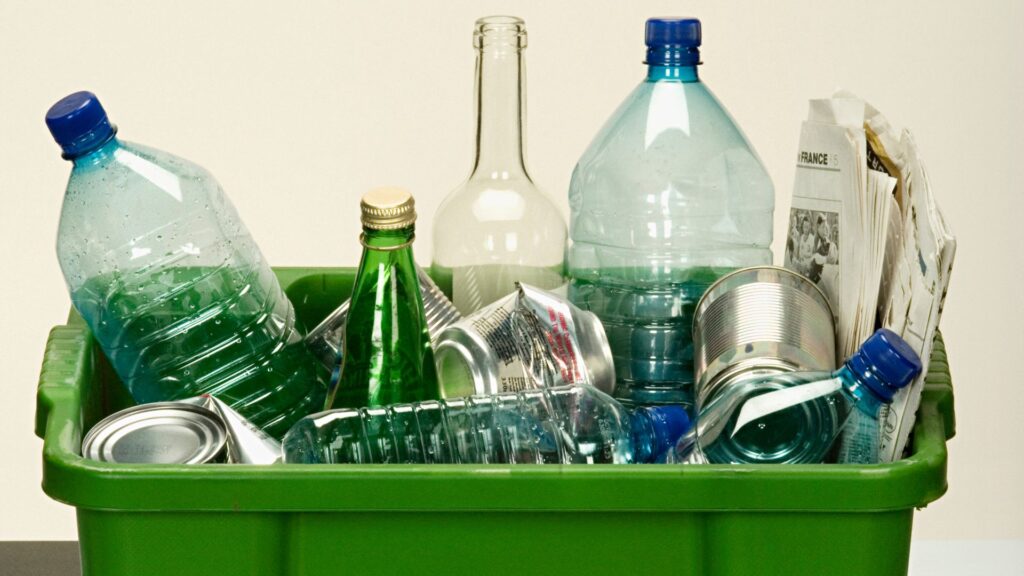
Implementing Junk Removal programs teaches residents and businesses the importance of proper disposal and recycling. By separating recyclable, reusable, and disposable items, communities reduce landfill waste and promote sustainable practices. Regular Junk Removal fosters awareness of the environmental impact of waste and encourages long-term responsibility. Over time, these habits prevent clutter accumulation, minimize pollution, and support cleaner neighborhoods and public spaces. Residents who engage in Junk Removal contribute to a culture of environmental stewardship, ensuring that future generations inherit organized, safe, and eco-friendly communities that prioritize sustainability and long-term resource management.
Supporting Public Health
Accumulated junk can attract pests, harbor bacteria, and increase risks to human health. Junk Removal helps maintain sanitary conditions in residential and commercial areas by clearing debris that could cause illness or injury. Clean, organized spaces reduce exposure to harmful materials, pests, and hazards, supporting the well-being of all residents. Over time, consistent Junk Removal promotes healthier neighborhoods, decreases the risk of disease outbreaks, and encourages safe, organized environments. Protecting public health is a crucial benefit of Junk Removal, ensuring that future generations inherit communities that are not only visually appealing but also safe and conducive to healthy living.
Preserving Community Aesthetics
Cluttered streets, yards, and public spaces can diminish neighborhood beauty and lower community morale. Junk Removal enhances the visual appeal of neighborhoods by maintaining clean, organized environments. Clear spaces foster pride among residents, encourage engagement in community upkeep, and improve the overall quality of life. Over time, consistent Junk Removal practices preserve aesthetics, create inviting public areas, and enhance property values. Maintaining organized and clutter-free environments strengthens the community’s identity, inspires civic responsibility, and ensures that future generations inherit neighborhoods that are attractive, welcoming, and well-maintained.
Reducing Fire and Safety Hazards
Accumulated junk in neighborhoods can pose fire risks and other safety hazards, especially in densely populated areas. Junk Removal eliminates combustible materials, keeps pathways clear, and ensures safe access for residents and emergency personnel. Regular removal reduces the risk of accidents, fires, and injuries caused by debris. Over time, consistent Junk Removal creates safer environments, protects homes and public areas, and fosters a culture of awareness and preparedness. Reducing hazards contributes to a secure and organized community, ensuring that future generations inherit safe, well-maintained spaces that minimize potential dangers associated with accumulated waste.
Promoting Long-Term Sustainability
Regular Junk Removal supports sustainable living by encouraging proper waste disposal and reducing unnecessary clutter. By maintaining organized spaces, communities conserve resources, minimize environmental impact, and create models of eco-friendly behavior. Consistent removal practices instill habits that benefit both residents and future generations, promoting environmental awareness and responsible consumption. Over time, these practices reduce strain on local ecosystems, support recycling efforts, and ensure cleaner, safer, and more functional neighborhoods. Junk Removal is an essential component of long-term sustainability, fostering a culture of care for the environment and helping communities leave a positive legacy for years to come.
Fostering Community Responsibility
Junk Removal encourages residents to take ownership of their surroundings, creating a culture of accountability and civic engagement. By actively participating in keeping neighborhoods and public areas clean, communities promote shared responsibility and organized living spaces. Over time, consistent Junk Removal strengthens community bonds, encourages cooperation, and ensures that residents understand the importance of maintaining safe, accessible, and clutter-free environments. Fostering community responsibility ensures that future generations inherit neighborhoods that are well-cared-for, visually appealing, and environmentally sustainable, creating long-lasting positive impacts on both residents and the environment.
Conclusion
Maintaining cleaner environments for future generations is essential, and Junk Removal plays a critical role in achieving this goal. By regularly removing debris and unwanted items, communities reduce pollution, prevent safety hazards, and preserve natural spaces. Consistent Junk Removal also fosters public health, enhances neighborhood aesthetics, and encourages sustainable habits that benefit both current residents and those who will inherit the community.
At Junk Bunker Junk Removal, we provide professional services to keep Frankfort streets, homes, and public areas organized and clutter-free. Contact us today at 815-524-4600 to schedule reliable Junk Removal and contribute to a cleaner, safer, and more sustainable environment.