

How to Throw Away a Lot of Junk: The Complete Guide to Large-Scale Junk Removal
If you have a lot of junk to throw away, start by sorting everything into keep, sell, donate, recycle, and dispose piles. Then choose the best option based on the amount and type of junk. For smaller loads, municipal pickup or DIY hauling may work. For furniture, appliances, garage cleanouts, estate cleanouts, and whole-house projects, professional Junk Removal can save time and effort.
Not every item belongs in regular trash. Electronics, batteries, chemicals, appliances, and construction materials may have special disposal requirements, so always check local rules before getting started.
What Is the Best Way to Get Rid of a Lot of Junk?
The most common options are:
- Sell valuable items
- Donate usable belongings
- Recycle eligible materials
- Use municipal bulk-waste pickup
- Rent a dumpster
- Hire professional junk removal
The right choice depends on your budget, junk volume, vehicle access, location, and how much physical work you want to handle.
| Method | Best For | Labor | Typical Cost |
| Sell | Valuable items | Medium | $0 upfront |
| Donate | Usable items | Low–Medium | Often $0 |
| Recycle | Cardboard, metal, electronics | Medium | Free–Low |
| Transfer station | DIY hauling | High | $30–$150+ |
| Dumpster | Large projects | High | $300–$600+ |
| Junk removal | Large cleanouts | Low | $150–$1,000+ |
Actual costs vary by location, volume, material, labor, and disposal fees.
Sort the Junk Before Throwing Anything Away
Don’t put everything into one pile. Create five categories:
Keep: Items you still need.
Sell: Items with resale value.
Donate: Clean, usable belongings.
Recycle: Materials accepted by local facilities.
Dispose: Broken, damaged, contaminated, or unwanted items.
Sorting first can dramatically reduce the amount of junk you actually need to pay to remove.
What Can You Sell or Donate?
Look for resale value in furniture, appliances, tools, electronics, bicycles, exercise equipment, collectibles, lawn equipment, and office furniture.
Usable clothing, books, toys, furniture, and household goods may be donated. Always check the organization’s rules because damaged, unsafe, or heavily worn items may not be accepted.
Recycle What You Can
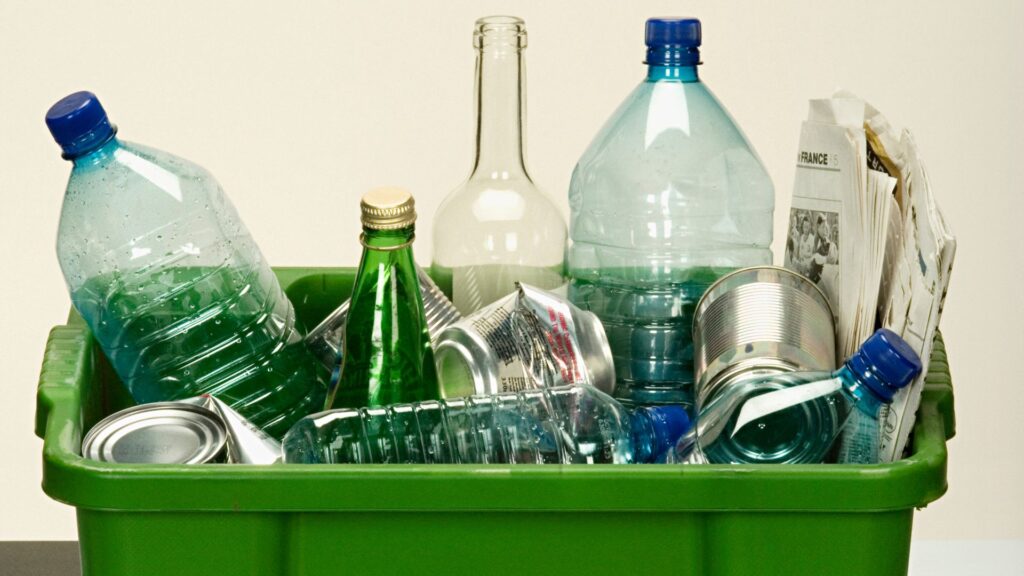
Common recyclable materials can include:
- Cardboard and paper
- Aluminum and steel
- Scrap metal
- Glass
- Certain plastics
- Electronics
- Wood
- Textiles
Accepted materials vary by facility, so confirm requirements before making a trip.
Handle Electronics and Batteries Carefully
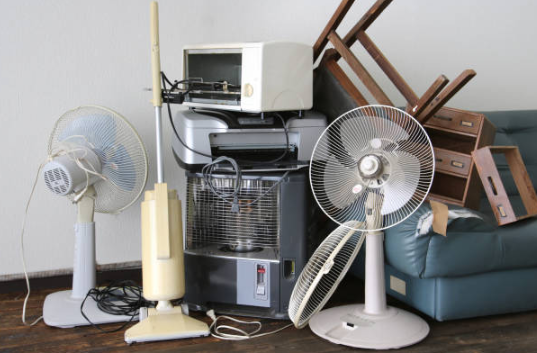
Large cleanouts often uncover old televisions, computers, monitors, printers, phones, gaming systems, cables, and batteries.
Electronics may require specialized recycling. Lithium-ion batteries should not be placed in regular trash or recycling bins because they can create fire hazards. Look for local battery collection sites, retailers, or household hazardous-waste programs.
Be Careful With Hazardous Waste
A cleanout may uncover paint, solvents, pesticides, motor oil, pool chemicals, aerosol products, batteries, and other potentially hazardous materials.
Don’t pour chemicals down drains, dump them outside, or mix different products together. Follow local hazardous-waste disposal instructions instead.
What About Refrigerators and Air Conditioners?
Older refrigerators, freezers, and some air-conditioning equipment may contain refrigerants requiring special handling.
Check municipal appliance programs, retailers, qualified recyclers, or junk removal companies that specifically accept these items.
How to Get Rid of Large Furniture
Furniture is often one of the hardest types of junk to remove because of its size and weight.
Common examples include sofas, sectionals, mattresses, dressers, cabinets, dining tables, bed frames, recliners, and bookcases.
If the item is usable, sell or donate it. If not, consider municipal bulky-item pickup, self-hauling, a dumpster, or professional junk removal.
Use Municipal Bulk-Waste Collection
Many communities offer bulky-item collection for items that don’t fit in regular trash containers. This may include furniture, mattresses, appliances, and other large household items.
Rules, scheduling, item limits, and fees differ by community. Check with your local waste provider before leaving anything at the curb.
Is a Transfer Station a Good Option?
A transfer station can be economical if you have a pickup truck, trailer, cargo van, or another suitable vehicle.
The process is straightforward: sort the junk, load it securely, drive to the facility, pay the required fee, and unload.
The drawback is that you handle all the loading, lifting, driving, and disposal yourself. Large cleanouts can require multiple trips.
Should You Rent a Dumpster?
A dumpster works well for remodeling, construction, roofing, garage cleanouts, landscaping, moving, and major decluttering.
A residential dumpster may cost around $300–$600 or more, depending on size, rental period, location, and material.
The main advantage is convenience over several days. The main disadvantage is that you still have to load it yourself.
When Is Professional Junk Removal Worth It?
Professional Junk Removal is often the easiest choice when you have a large amount of unwanted material and don’t want to perform the labor.
A removal crew may:
- Carry items out of the property
- Remove heavy furniture
- Empty garages and attics
- Load appliances
- Haul everything away
- Sort materials for recycling or disposal
- Clean the work area afterward
It can be especially useful for estate cleanouts, moves, renovations, garage cleanouts, and homes containing heavy furniture.
Dumpster vs. Junk Removal
| Factor | Dumpster | Junk Removal |
| Container provided | Yes | No |
| Crew loads items | No | Yes |
| You do the lifting | Yes | Usually no |
| Rental period | Several days | Usually one visit |
| Best for | Ongoing projects | Quick cleanouts |
| Convenience | Moderate | High |
Choose a dumpster when you need a container for several days and are comfortable doing the work. Choose junk removal when you want the items removed quickly without handling the heavy lifting.
How Much Does It Cost to Throw Away a Lot of Junk?
Costs depend on volume, weight, materials, location, labor, disposal fees, access, and the number of trips.
A small DIY load may cost $30–$150+. A dumpster may cost approximately $300–$600+, while professional junk removal can range from about $150 to more than $1,000 depending on the job.
For larger projects, getting a specific quote is more accurate than relying on general price ranges.
How to Remove Junk From a Garage or House
Work section by section and create separate areas for keep, sell, donate, recycle, and disposal.
For a garage, flatten cardboard, separate scrap metal, and set aside chemicals and batteries.
For a whole-house cleanout, remove large furniture and appliances first, then tackle boxes, clutter, recyclables, attics, and basements. Large items removed first give you more space to work.
How to Save Money on Junk Removal
You can often reduce your disposal costs by:
- Selling valuable items.
- Donating usable belongings.
- Recycling eligible materials.
- Using free municipal collection programs.
- Combining everything into one removal job.
- Comparing the total cost of DIY hauling, dumpsters, and professional removal.
Remember to factor in your time, fuel, labor, and dump fees when comparing options.
Frequently Asked Questions
What is the cheapest way to get rid of a lot of junk?
Sell valuable items, donate usable belongings, recycle what you can, and use free municipal programs before paying for disposal.
Can I put a large amount of junk in regular trash?
Usually not. Residential trash services often have limits, and bulky items may require separate collection.
Is a dumpster cheaper than junk removal?
A dumpster can be cheaper for large DIY projects. Junk removal may offer better value when you have heavy items or don’t want to do the labor.
How do I get rid of a house full of junk?
Sort everything first, then combine donation and recycling with municipal pickup, self-hauling, a dumpster, or professional junk removal.
Can junk removal companies take everything?
No. Accepted materials vary. Hazardous chemicals, asbestos, certain batteries, and other restricted items may require specialized disposal.
How long does junk removal take?
Small loads may take less than an hour, while large house or estate cleanouts can take several hours or multiple visits.
Conclusion
When you have a lot of junk to throw away, start by sorting everything into keep, sell, donate, recycle, and dispose categories. This can reduce the amount you need to pay for disposal and keep reusable materials out of the waste stream.
For small loads, municipal pickup or DIY hauling may be enough. For longer projects, a dumpster can provide convenient storage. For heavy furniture, garage cleanouts, estate cleanouts, and whole-house removals, professional Junk Removal can save substantial time and physical effort.
Need Help Removing a Large Amount of Junk?
If you’re dealing with a garage cleanout, furniture removal, estate cleanout, or a property full of unwanted items, Junk Bunker Junk Removal can help.
Call Junk Bunker Junk Removal at +1 815-524-4600 to discuss your cleanup needs and request an estimate. Professional junk removal can save you from repeated dump runs, heavy lifting, loading, and hauling, making it easier to clear your property quickly and efficiently.