

What Items Will Junk Removal Services Not Take?
Most junk removal services handle furniture, appliances, household clutter, yard debris, and other everyday waste. However, not everything can go on a junk removal truck. Hazardous, explosive, radioactive, infectious, or specially regulated materials are commonly restricted. Depending on the company and local laws, this may include chemicals, paint, asbestos, medical waste, ammunition, propane tanks, refrigerants, batteries, tires, and extremely heavy debris.
Knowing what a company will not take helps you avoid delays and gives you time to find the proper disposal option. Always tell the junk removal company exactly what you have before booking.
What Won’t Junk Removal Companies Take?
Commonly restricted materials include:
- Hazardous chemicals
- Explosives, fireworks, and ammunition
- Medical and biohazardous waste
- Radioactive materials
- Asbestos
- Certain paints and solvents
- Propane and gas cylinders
- Pesticides and herbicides
- Unknown chemicals
- Contaminated materials
- Automotive fluids
- Some tires and batteries
Some companies may also limit construction debris, industrial equipment, oversized objects, or extremely heavy materials.
Why Are Certain Items Refused?
Junk removal companies may refuse items because of safety, environmental regulations, insurance requirements, disposal rules, or equipment limitations.
Hazardous materials can cause fires, toxic exposure, chemical burns, or injuries. Some waste must also be transported to specialized facilities instead of ordinary landfills or transfer stations.
Household Hazardous Waste
Common examples include solvents, pesticides, pool chemicals, fuels, strong adhesives, automotive fluids, and certain cleaning products.
Do not pour chemicals down drains, dump them outside, mix different products, or burn them. Keep containers closed and contact your local household hazardous-waste program for disposal instructions.
Paint, Fuel, and Propane Tanks
Paint may be restricted based on its type, condition, quantity, and local rules. Gasoline, diesel, kerosene, and similar fuels are commonly excluded because they are flammable.
Propane tanks and compressed-gas cylinders can also require special handling. Even an “empty” tank may contain pressure or residual gas, so confirm the correct disposal method before putting it with ordinary junk.
Explosives and Ammunition
Ammunition, fireworks, explosives, flares, and similar materials are outside the scope of ordinary junk removal.
Never place them in a junk truck, dumpster, household trash, or recycling bin. If you find potentially dangerous materials, avoid unnecessary handling and contact the appropriate local authority or specialized service.
Medical and Pharmaceutical Waste
Used needles, sharps, blood-contaminated materials, biological waste, and certain medical products usually need specialized disposal.
Unused or expired medications may also require approved take-back or collection programs. Do not assume a junk removal company can legally transport them with normal household waste.
Asbestos-Containing Materials
Asbestos may be found in older insulation, floor tiles, siding, roofing, pipe insulation, and other building materials.
If you suspect asbestos, do not break, cut, or disturb it to make removal easier. Contact a qualified asbestos professional and follow local disposal requirements.
Appliances, Refrigerants, and Batteries
Many junk removal services accept refrigerators, freezers, air conditioners, and dehumidifiers, but special handling may be required because these appliances can contain refrigerants.
Batteries, especially lithium-ion, rechargeable, vehicle, and damaged batteries, may also be restricted because of fire risks. Use an appropriate battery recycling or hazardous-waste program when required.
Tires and Automotive Fluids
Some companies accept tires, while others do not. Additional fees or separate disposal rules may apply.
Garage cleanouts can also contain used motor oil, brake fluid, transmission fluid, antifreeze, gasoline, and solvents. These should be separated from ordinary junk and taken to approved recycling or disposal facilities.
Unknown or Contaminated Materials
Never assume an unlabeled chemical or unknown substance is harmless. Do not open, smell, mix, or transfer it.
Some companies may also refuse items contaminated with blood, sewage, hazardous chemicals, or biological materials. Specialty remediation or hazardous-waste providers may be needed instead.

Construction Debris and Heavy Materials
Construction debris such as concrete, dirt, bricks, asphalt, shingles, drywall, lumber, and tile may or may not be accepted.
The biggest issue is often weight. A load of concrete or dirt can quickly exceed truck limits. Large safes, stone, machinery, and commercial equipment may also require special equipment.
Always mention heavy or unusual items when requesting a quote.
Vehicles and Industrial Equipment
Cars, trucks, industrial machinery, generators, compressors, and large commercial equipment may fall outside standard household junk removal.
Vehicles can involve towing, titles, fluids, batteries, tires, and recycling requirements. Industrial equipment may require dismantling or specialized transportation.
Ask specifically whether the company offers these services.
What Junk Removal Companies Usually Take
Most professional junk removal services commonly accept:
- Sofas, chairs, tables, and dressers
- Mattresses and bed frames
- Cabinets and bookshelves
- Appliances
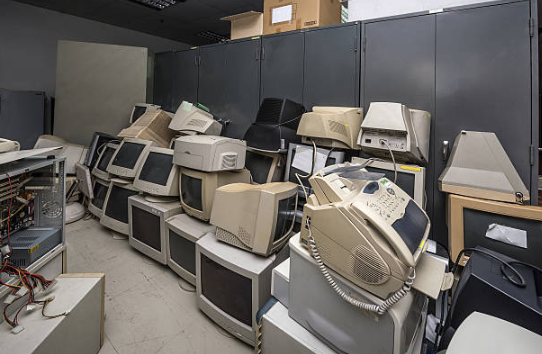
- Electronics
- Yard debris
- Boxes and household clutter
- Office furniture
- Exercise equipment
- General garage junk
Acceptance policies vary by company, so confirm before scheduling.
Junk Removal vs. Specialty Disposal
| Material | Typical Option |
| Furniture | Junk removal |
| Cardboard | Junk removal or recycling |
| Appliances | Junk removal or recycling |
| Electronics | E-waste recycling |
| Paint | Hazardous-waste program |
| Gasoline | Hazardous-waste facility |
| Propane tanks | Specialized disposal |
| Ammunition | Appropriate authorities |
| Medical waste | Medical-waste disposal |
| Asbestos | Qualified professional |
| Batteries | Battery recycling |
| Used motor oil | Oil recycling |
| Concrete | Specialized debris disposal |
How to Prepare for Junk Removal
Before pickup, separate restricted materials from normal household junk. Group furniture and general clutter together, sort recyclable items, and identify anything unusually heavy.
Photos can also help the company estimate the load. Most importantly, tell the hauler exactly what needs to be removed instead of hiding restricted materials under ordinary junk.
What If a Junk Removal Company Refuses an Item?
Ask why the material is restricted, then contact your local waste authority or a designated disposal facility.
Depending on the item, you may need a hazardous-waste center, battery recycler, e-waste facility, appliance recycler, or specialty contractor. Never use an unsafe disposal method simply because it costs less.
Frequently Asked Questions
What items will junk removal services not take?
Common exclusions include hazardous chemicals, fuels, explosives, ammunition, medical waste, asbestos, radioactive materials, propane cylinders, certain batteries, and other regulated substances.
Will junk removal companies take paint?
Some do, but acceptance depends on the paint type, condition, quantity, and local requirements. Ask before pickup.
Will junk removal companies take refrigerators?
Many do, but refrigerators and air conditioners may require special refrigerant handling and additional fees.
Can junk removal companies take electronics?
Many accept electronics, although some items may require separate recycling or disposal.
Can I put hazardous waste in a dumpster?
Do not assume it is allowed. Chemicals, fuels, batteries, and other restricted materials often require specialized disposal.
What should I do with junk a removal company won’t take?
Contact your local waste-management authority to find the correct disposal or recycling program.
Conclusion
So, what items will junk removal services not take? Most companies focus on non-hazardous household and commercial materials. Furniture, boxes, appliances, yard debris, and general clutter are usually accepted, while hazardous chemicals, fuels, explosives, medical waste, asbestos, radioactive materials, certain batteries, propane cylinders, and regulated materials often require specialty disposal.
The safest approach is to make an inventory before your appointment and tell the junk removal company exactly what you have.
Need Help With Your Junk Removal?
For furniture, household clutter, garage junk, appliances, yard debris, or larger cleanouts, Junk Bunker Junk Removal can help.
Call Junk Bunker Junk Removal at +1 815-524-4600 to discuss your cleanup needs and request an estimate. Let the team know what items you need removed so they can explain what they accept and how to handle anything requiring specialized disposal.