

Can You Throw Away Drywall?
Yes, you can throw away drywall, but it should not automatically go into your regular household trash or recycling bin. Drywall, also known as gypsum board or sheetrock, is usually treated as construction and demolition (C&D) debris. Local rules determine whether it can go to a transfer station, landfill, recycling facility, dumpster, or junk removal company.
Disposal depends on the amount, condition, and location. Clean drywall from a renovation is generally easier to handle than drywall affected by mold, water damage, or potentially hazardous materials. Knowing the correct disposal method can help you avoid extra fees, rejected loads, and unsafe handling.
Is Drywall Regular Trash?
Usually, drywall is handled separately from ordinary household garbage. Large quantities from renovations can exceed the limits of residential trash collection.
Common disposal options include:
- Construction and demolition facilities
- Transfer stations
- Landfills
- Drywall recycling facilities
- Special waste programs
- Junk removal companies
Always check local waste rules before putting drywall out for collection.

Can You Put Drywall in a Dumpster?
Often, yes. Many dumpster companies accept clean drywall, but restrictions vary. Before ordering a dumpster, ask whether drywall is accepted, whether weight limits apply, and whether painted drywall, nails, screws, or mixed construction debris are allowed.
Drywall becomes heavy quickly, so exceeding the dumpster’s weight limit may increase your final cost.
Can Drywall Go in Regular Garbage?
Small amounts may be accepted in some communities, but large quantities generally should be handled as construction debris. Cutting drywall into smaller pieces does not automatically make it acceptable for household trash.
Check your local collection requirements before disposal.
Can You Recycle Drywall?
Yes, clean drywall can sometimes be recycled. Specialized facilities can recover gypsum and other materials for reuse.
Recycling is usually easier when drywall is kept separate from:
- Wood
- Insulation
- Plastic
- Carpet
- Food waste
- Other construction debris
Availability depends on your area and the facility’s acceptance rules.
How Much Does Drywall Disposal Cost?
Costs vary based on the amount, location, labor, and disposal method. Typical examples include:
| Disposal Method | Approximate Cost |
| Free local drop-off | $0 |
| DIY drop-off/recycling | $10–$50+ |
| Transfer station | $20–$100+ |
| Dumpster | $300–$800+ |
| Junk removal | $100–$600+ |
| Large cleanup | $500–$1,500+ |
These are broad estimates. Actual prices depend on local fees, load size, weight, transportation, and labor.
Can Junk Removal Companies Take Drywall?
Many Junk Removal companies accept ordinary drywall and other construction debris, but policies differ. When booking, explain how much drywall you have, whether it is clean, where it is located, and whether other debris is included.
A small amount may fall under a company’s minimum pickup charge, while a larger renovation cleanup may cost several hundred dollars.
Pricing can depend on:
Volume
How much truck space the drywall occupies.
Weight
Heavy loads can increase disposal costs.
Labor
Removing drywall from inside a home requires more work than loading material already outside.
Accessibility
Stairs, long carrying distances, and difficult access can affect pricing.
Disposal
Recycling and landfill fees may differ.
What Is the Cheapest Way to Dispose of Drywall?
The most affordable option depends on your situation. Check for free community disposal programs, recycle clean drywall when possible, or transport it yourself if you have a suitable vehicle.
For larger remodeling jobs, a dumpster can be practical because it stays on-site while work continues. For smaller projects, professional junk removal may save the time and effort of loading and transporting the material yourself.
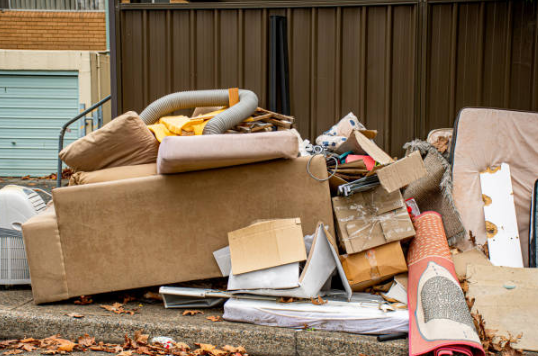
Drywall Dumpster vs. Junk Removal
A dumpster is often better for an ongoing renovation where you will generate debris over several days. Junk removal is convenient when the project is finished and you want someone else to load and haul everything away.
| Factor | Dumpster | Junk Removal |
| You load the waste | Yes | No |
| Labor included | Usually no | Yes |
| Rental period | Several days | Scheduled pickup |
| Best for | Ongoing projects | Completed cleanouts |
| Physical effort | Higher | Lower |
How to Prepare Drywall for Disposal
Remove large attached materials when practical and keep different waste types separated according to the facility’s requirements. Stack drywall securely, keep it as dry as possible, and transport it carefully because screws and nails can create sharp hazards.
Before disturbing drywall from an older building, determine whether special precautions may be required.
Can You Throw Away Drywall With Wood?
Sometimes, yes. Some dumpsters and construction-waste facilities accept mixed debris, while recycling facilities may require drywall to be separated.
Ask the disposal provider before combining drywall with wood or other materials.
Can You Throw Away Drywall With Nails?
Drywall containing screws or nails may still be accepted as construction debris, depending on the facility. Follow the disposal provider’s instructions and handle the material carefully to prevent injuries during loading and transportation.
Can You Throw Away Painted Drywall?
Painted drywall may be accepted as construction debris, but recycling requirements can be more restrictive. The age and type of coating may also matter.
When dealing with older materials, seek professional guidance if you have concerns about hazardous substances.
What If the Drywall Is Wet or Moldy?
Wet drywall can become heavy, fragile, and difficult to handle. Water-damaged drywall may also develop mold and may not qualify for standard recycling.
Moldy drywall should not automatically be treated as ordinary waste. Significant mold contamination, particularly after flooding, may require professional remediation before disposal.
What About Asbestos in Drywall?
Older building materials may contain asbestos, and you cannot reliably identify asbestos by sight alone. If you suspect asbestos-containing material, do not unnecessarily break, sand, drill, crush, or disturb it.
Consult a qualified professional about testing, removal, transportation, and disposal requirements.
Can You Burn Drywall?
No. Burning drywall is not an appropriate disposal method. Construction materials can produce harmful smoke, and open burning may violate local regulations.
Use an approved landfill, recycling facility, dumpster, or junk removal service instead.
How Much Drywall Can You Take to the Dump?
There is no universal limit. Facilities may restrict loads based on vehicle type, weight, material, size, or local regulations.
If you have a large remodeling project, call ahead before loading your vehicle.
How to Estimate Drywall Disposal
Common drywall sheets are typically 4 × 8, 4 × 10, or 4 × 12 feet. Ten 4 × 8-foot sheets represent about 320 square feet of drywall surface.
For junk removal, photos and an estimate of the number of sheets can help a company determine the approximate volume and price.
When Should You Hire a Junk Removal Company?
Professional Junk Removal can be especially useful when:
- You don’t have a pickup truck
- You have several sheets of drywall
- Multiple rooms are being renovated
- Other construction debris needs removal
- Materials are still inside the property
- Stairs or difficult access are involved
- You want the debris removed quickly
A professional crew can handle the loading and hauling while you focus on the renovation.
Frequently Asked Questions
Can you throw away drywall?
Yes, but the correct method depends on local construction-waste regulations and the condition of the material.
Can drywall go in a dumpster?
Often, yes. Check the dumpster company’s rules regarding drywall, weight limits, mixed debris, and prohibited materials.
Is drywall recyclable?
Clean drywall can be recyclable at specialized facilities, although availability and preparation requirements vary by location.
How much does drywall disposal cost?
DIY disposal may cost around $20–$100+, while professional junk removal may range from approximately $100–$600+, depending on volume, labor, transportation, and disposal fees.
Can you put drywall in regular garbage?
Small amounts may be allowed in some areas, but large quantities are usually handled as construction debris.
What should I do with suspected asbestos-containing drywall?
Do not disturb it unnecessarily. Contact a qualified professional and follow applicable testing and disposal requirements.
Conclusion
So, can you throw away drywall? Yes, but the right disposal method depends on your location, the amount of material, and its condition.
For clean drywall from a renovation, options may include a recycling facility, transfer station, landfill, dumpster, or professional Junk Removal service. Recycling can be a good choice when a suitable facility accepts clean gypsum board.
For a small amount, DIY transport may cost less. For larger projects, a dumpster can provide ongoing disposal. If the drywall has already been removed and you want it gone without doing the heavy lifting, junk removal may be the most convenient option.
Always take extra care with moldy, water-damaged, or potentially asbestos-containing materials.
Need Drywall and Junk Removal?
Finished a renovation and have drywall, furniture, appliances, boxes, or other unwanted items taking up space? Junk Bunker Junk Removal can help with the cleanup.
For professional Junk Removal, call Junk Bunker Junk Removal at +1 815-524-4600 to discuss your cleanup needs and request an estimate. Whether you have a few pieces of renovation debris or a larger property cleanout, professional removal can make the process faster, easier, and more convenient.