

How Do I Prepare for Junk Removal?
To prepare for junk removal, decide what you want removed, separate items you want to keep, donate, or sell, identify anything requiring special disposal, and make the junk easy for the crew to access. You usually don’t need to move heavy items outside when using full-service Junk Removal, but clearing pathways and explaining stairs or difficult access can make the job faster and easier.
Whether you’re cleaning a garage, moving, renovating, downsizing, or removing household clutter, preparation can prevent delays, reduce confusion, and help you get a more accurate estimate.
Why Should You Prepare for Junk Removal?
Preparation helps you identify what should go, prevent accidental removal of important belongings, improve access, increase safety, and make the removal process more efficient. It can also help you recognize restricted materials before the crew arrives.
Decide What You Want Removed
Walk through your property room by room and create a list of unwanted items. Common junk includes furniture, mattresses, appliances, electronics, cardboard, household clutter, broken toys, exercise equipment, yard debris, garage items, office furniture, and renovation debris.
A simple sorting system can help:
| Category | Action |
| Keep | Set aside or leave in place |
| Donate | Prepare for donation |
| Sell | Prepare for resale |
| Remove | Add to the junk removal pile |
Separate Items You Want to Keep
Before the crew arrives, remove important documents, jewelry, cash, photographs, tools, sentimental items, and electronics containing personal information from the removal area.
Place important belongings in another room or clearly separate them from the junk. Once something has been loaded onto a truck, recovering it may be difficult.
Donate or Sell Usable Items
Not everything you no longer need is junk. Clean and functional sofas, tables, chairs, clothing, books, appliances, shelving, and exercise equipment may be better suited for donation or resale.
Removing these items from your junk pile can reduce the amount that needs to be hauled away and may lower your overall Junk Removal cost.
Identify Restricted Materials
Some materials cannot be handled as ordinary household junk. These may include paint, solvents, chemicals, fuel, motor oil, certain batteries, medical waste, asbestos-containing materials, pesticides, and some refrigerants.
Tell the removal company about unusual items before booking. Specialty materials may require separate handling, transportation, or disposal.
Check What the Company Accepts
Acceptance policies vary between companies. Ask whether they remove appliances, mattresses, electronics, yard waste, tires, construction debris, or other specialty items.
Provide an accurate description of your junk. Photos can also help the company prepare an estimate.
Take Photos
Photos are useful when requesting an estimate. Take pictures of the entire pile, large furniture, appliances, construction debris, outdoor items, and hard-to-reach areas such as basements or attics.
Wide photos show the overall volume, while close-ups can identify unusual materials.
Clear a Path
Create a safe path from the junk to the truck. Remove boxes, toys, cords, tools, small furniture, and other obstacles from hallways, doorways, stairs, and walkways.
You generally don’t need to move extremely heavy furniture yourself when you’ve hired full-service removal. Let trained workers handle heavy lifting.
Tell the Company About Stairs and Difficult Access
Let the company know if items are in a basement, attic, upstairs room, or behind a narrow stairway. This is particularly important for heavy items such as pianos, safes, appliances, sectional sofas, and exercise equipment.
Providing this information ahead of time allows the company to plan for the job.
Check Truck Access and Parking
Consider where the removal truck can park. Narrow driveways, gates, parked vehicles, low branches, overhead wires, and restricted parking can make removal more difficult.
For apartments or busy urban areas, you may need to arrange a loading area or contact building management before the appointment.
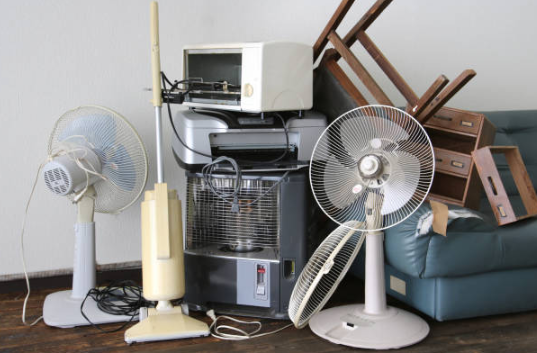
Prepare Furniture and Appliances
Some furniture can be easier to remove when partially disassembled, but don’t take everything apart unnecessarily. Ask whether the company provides basic disassembly.
Also check drawers, cabinets, furniture, and appliances for money, keys, documents, jewelry, medications, food, or other personal belongings.
If an appliance needs to be disconnected, follow the company’s instructions. Never attempt to disconnect gas lines or other utility connections unless you’re properly qualified.
Protect Your Home and Keep Pets Away
Move fragile decorations, clear narrow walkways, secure pets, and point out delicate flooring, walls, or fixtures. Ask the company what protections it uses for floors, doors, and walls.
Children and pets should stay away from the work area while heavy items are being moved.
Estimate the Amount of Junk
Many junk removal companies use volume-based pricing. Look at your junk and estimate whether you have a few individual items, a small load, half a truck, or a full truck.
Combining several unwanted items into one pickup may be more efficient than scheduling multiple smaller removals.
Ask for a Clear Quote
Before work begins, ask exactly what the price includes. Confirm whether labor, loading, transportation, disposal, recycling, cleanup, taxes, and specialty-item fees are included.
Ask whether there is a minimum charge and whether stairs or difficult access affect the price. A clear estimate can help prevent unexpected costs.
Choose the Right Service
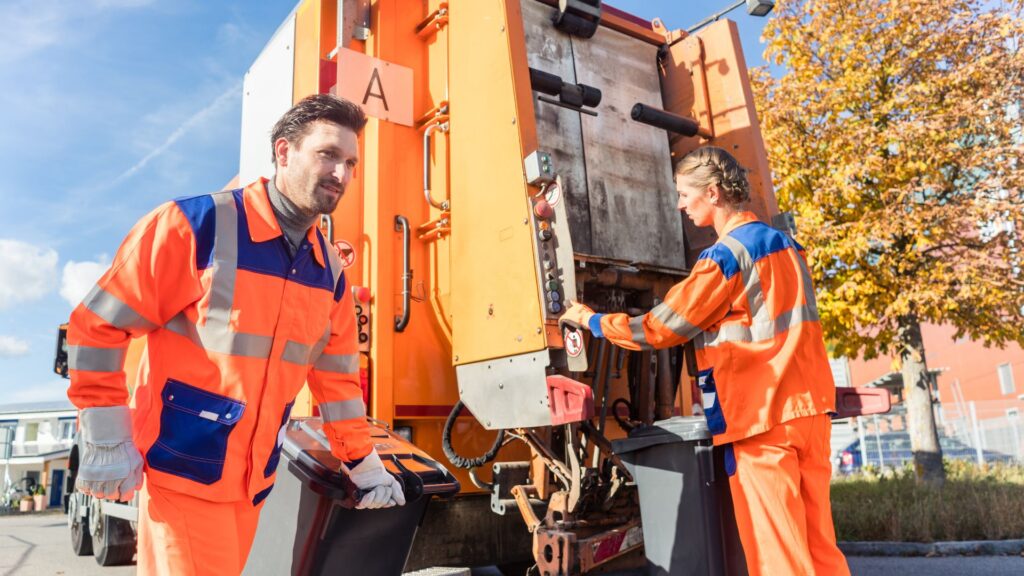
If your junk is already accumulated and you want someone else to load and haul it, professional Junk Removal is often convenient.
A dumpster may be more practical for a renovation where debris will be generated continuously and you are comfortable loading it yourself.
| Factor | Junk Removal | Dumpster |
| Crew loads items | Yes | No |
| Customer loads items | No | Yes |
| Ongoing project | Less suitable | Better |
| Completed cleanout | Excellent | Good |
| Heavy lifting | Crew handles it | Customer handles it |
Preparing for Different Cleanouts
Garage Cleanout
Separate tools and belongings, identify chemicals, group junk together, and create a clear path.
Basement Cleanout
Tell the company about stairs, narrow access, large furniture, and truck parking.
Moving Cleanout
Sort items into moving, selling, donating, recycling, and junk categories well before moving day.
Estate Cleanout
Take extra care with family photographs, documents, jewelry, heirlooms, collectibles, and financial records.
Renovation Cleanup
Ask whether the company accepts drywall, lumber, flooring, cabinets, tile, fixtures, insulation, and other construction debris.
What Should You Avoid Before Junk Removal?
Don’t hide hazardous materials, create unstable piles, move extremely heavy objects yourself, dismantle furniture unnecessarily, leave personal belongings in drawers, or block access to the junk.
Preparation should make the job safer, not put you at risk.
Can Preparation Lower Junk Removal Costs?
Preparation may help control costs, especially when pricing depends on truck volume. Donate or sell usable items, combine items into one pickup, separate recyclable materials, and request an all-inclusive estimate.
Clearing access can also help the crew work efficiently, but you shouldn’t risk injury to move heavy objects.
Frequently Asked Questions
What should I do before junk removal?
Decide what needs to go, separate items you want to keep, donate, or sell, identify restricted materials, clear pathways, and tell the company about stairs or difficult access.
Do I need to move my junk outside?
Usually not with full-service Junk Removal. Many crews can remove furniture, appliances, and other items directly from inside your home.
Should I bag my junk?
It depends on the material. Boxes and bags can help with small household clutter, but sharp, heavy, or hazardous items should be handled according to the company’s instructions.
Do I need to disassemble furniture?
Not always. Many crews can handle basic disassembly, so ask before taking large furniture apart yourself.
What should I do with hazardous materials?
Keep them separate and tell the company before pickup. Some hazardous or specialty materials require different disposal methods.
How can I make junk removal cheaper?
Donate or sell usable items, combine items into one pickup, separate recyclable materials, and get a clear quote before work begins.
Conclusion
Preparing for Junk Removal doesn’t mean doing all the heavy work yourself. The most important steps are deciding what goes, separating personal belongings, identifying restricted materials, clearing access paths, and communicating the details of the job before the crew arrives.
Whether you’re cleaning out a garage, basement, attic, home, office, or rental property, good preparation can make the process safer and more efficient. Don’t put yourself at risk moving heavy furniture or appliances when professional loading is included.
Need Help With Your Junk Removal?
Junk Bunker Junk Removal can help with unwanted furniture, appliances, household clutter, renovation debris, and larger property cleanouts.
For professional Junk Removal, call Junk Bunker Junk Removal at +1 815-524-4600 to discuss your project and request an estimate. Professional removal can save you the time, effort, and hassle of loading and transporting everything yourself.