

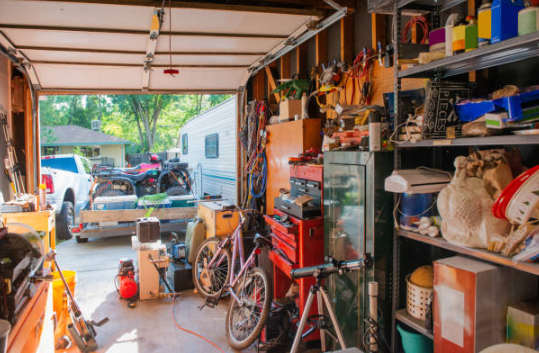
Garages are often underestimated as simple storage spaces, yet they quietly transform into chaotic collections of unused items over time. From old furniture and seasonal decorations to forgotten tools and boxes that haven’t been touched in years, clutter accumulates faster than most homeowners realize. This clutter doesn’t just make it difficult to park a car or use the space efficiently; it also creates a sense of disorder that can seep into other areas of the home. Tackling a garage cleanout isn’t merely a chore—it’s an opportunity to reclaim control over your environment, create functional space, and establish a sense of accomplishment. When approached strategically, this task can transform a cluttered, overwhelming area into a streamlined, organized space that supports your lifestyle. The key is preparation, planning, and executing a process that turns chaos into clarity without feeling overwhelmed by the sheer volume of items.
Set Clear Objectives
Before starting any cleanout, defining the purpose of your garage transformation is critical. Are you hoping to finally park a car inside, create a home gym or workshop, or simply restore order to a long-neglected area? Having a clear vision ensures every decision during the cleanout process is aligned with your desired outcome, preventing unnecessary indecision or second-guessing. Consider what activities you envision doing in your garage after it’s cleaned. Perhaps you want open floor space for projects, room for bicycles and sporting equipment, or clearly labeled storage for seasonal items. Establishing these objectives upfront allows you to prioritize which items to keep, donate, or discard. Without this clarity, it’s easy to become bogged down in sentimental attachments or overthinking decisions. A thoughtful approach not only makes the cleanout process smoother but also ensures your garage remains a functional, purposeful space long after the initial effort.
Gather Necessary Supplies
Preparation is a major component of any successful garage cleanout. Before diving in, gather all the tools and supplies you’ll need to work efficiently. Essentials include sturdy trash bags for smaller items, boxes for donations, and bins for items you intend to keep. Cleaning supplies such as brooms, mops, dusters, and degreasers will help you maintain a spotless garage once items are removed. In some cases, renting a dumpster or arranging for a professional junk removal service may be necessary, especially for oversized items like old furniture, appliances, or broken equipment. Gloves, masks, and protective clothing are recommended, especially if the garage has accumulated dust, cobwebs, or potentially hazardous materials. Having all supplies on hand before you begin prevents unnecessary interruptions and allows the process to move smoothly from sorting to disposal, reducing stress and keeping momentum throughout the cleanout.
Empty the Garage
Completely emptying the garage is an essential step to gain perspective on the space and its possibilities. Removing everything, from tools and boxes to shelving units, allows you to see the garage without obstruction and assess which areas need the most attention. Laying items out on a tarp or driveway keeps them organized and prevents further clutter during the sorting process. This step also provides a chance to inspect the garage itself for any underlying issues such as water damage, cracks, leaks, or structural weaknesses that may have gone unnoticed. By starting with a completely empty canvas, you’re better able to envision new layouts, storage solutions, or organizational improvements. This step transforms the cleaning process from a simple decluttering task into a proactive renovation of functionality, ensuring the space is optimized for both storage and use in the future, rather than merely clearing items out temporarily.
Sort Items into Categories
Sorting is arguably the most critical part of any cleanout project. As you go through your garage items, divide them into categories such as “keep,” “donate or sell,” and “trash.” The “keep” category should include items that are used regularly, hold sentimental value, or are truly necessary for future projects. Items that are still functional but no longer needed can be donated or sold, giving them a second life while reducing waste. Broken, outdated, or irreparably damaged items should be discarded responsibly to prevent clutter from returning. The sorting process can be surprisingly emotional, especially when encountering long-forgotten items with sentimental attachments. To stay objective, consider whether each item has been used in the last year and if it serves a clear purpose in the foreseeable future. Honest decision-making during this step sets the tone for a successful, clutter-free garage that supports your daily life rather than hinders it.
Clean the Garage Thoroughly
Once the garage is emptied and items are sorted, it’s time for a deep cleaning. Start from the top down, removing cobwebs, dust, and grime from ceilings, light fixtures, and walls. Clean windows thoroughly to let in natural light and brighten the space. Shelves and storage units should be wiped down, ensuring no lingering dust or dirt will contaminate stored items. Floors often require special attention; sweep away debris and mop with degreasers if necessary to eliminate oil stains and stubborn dirt. Cleaning before reorganizing ensures your garage is hygienic, safe, and visually appealing. This process may uncover maintenance issues, like water damage or pest problems, which can be addressed before returning items. A thorough cleaning not only enhances the garage’s appearance but also provides a fresh foundation for effective organization, creating a sense of pride and accomplishment in the revitalized space.
Organize the Remaining Items
With the garage cleaned, focus on organizing the items you’ve decided to keep. Utilize shelving units, pegboards, wall-mounted hooks, and labeled bins to maximize floor space and accessibility. Seasonal items can be stored in clear, airtight containers, stacked or placed on high shelves or ceiling racks, freeing up the lower areas for everyday use. Consider grouping similar items together—tools in one section, sports equipment in another, and holiday decorations in a separate area. Labeling containers and bins ensures that everything has a designated spot, making it easier to maintain order in the future. Implementing organizational systems not only enhances functionality but also allows for a smoother workflow when accessing tools or projects. Thoughtful organization transforms a formerly chaotic space into a usable, efficient area where every item serves a purpose, minimizing stress and maximizing productivity in your garage.
Dispose of Unwanted Items Responsibly
Disposing of items properly is critical for environmental responsibility and household safety. Donations should be delivered to local charities, shelters, or secondhand stores where they can benefit others. Electronics, hazardous materials, and bulky appliances often require specialized disposal methods in accordance with local regulations to prevent environmental harm. Recycling programs can be utilized for metals, plastics, and cardboard. By handling disposal thoughtfully, you contribute to sustainability while freeing your garage of unnecessary clutter. Items with no practical or charitable use must be safely discarded, ideally in coordination with professional junk removal services that can manage heavy or unwieldy materials. This step ensures your cleanout has lasting impact, avoiding the pitfalls of simply moving clutter elsewhere. Responsible disposal transforms the cleanout into a purposeful, mindful activity rather than a temporary, surface-level solution.
Maintain the Clean Garage
Maintaining a clean garage is an ongoing process that prevents clutter from creeping back into your newly organized space. Establishing regular routines, such as a weekly sweep or monthly deeper cleaning, keeps the area functional and visually appealing. Encourage all household members to return items to their designated spots immediately after use, creating habits that sustain the organization over time. Consider seasonal reviews to rotate stored items or assess what is no longer needed. By maintaining the space, the garage continues to serve its intended purpose, whether as a workshop, storage hub, or recreational area. Maintenance also allows for early detection of problems like leaks, pests, or structural issues, reducing the risk of larger, costlier repairs later. Sustained effort preserves the sense of order and accomplishment, ensuring the garage remains an organized, stress-free environment for years to come.
Absolutely! Here’s an additional paragraph you can place before the conclusion, expanded to roughly 150 words and keeping the same commercial-informational, creatively expressive style:
Incorporate Smart Storage Solutions
To elevate your garage beyond simple cleanliness, consider incorporating smart storage solutions that maximize efficiency and accessibility. Modular shelving units, wall-mounted racks, and overhead storage systems can transform wasted vertical space into practical storage, keeping items off the floor and easy to access. Clear bins and labeled containers not only protect items from dust and moisture but also make it easier to locate what you need without sifting through piles. Tool organizers, magnetic strips, and pegboards can keep frequently used tools visible and within reach, while foldable workbenches or collapsible carts add flexibility for projects without sacrificing floor space. By investing time and thought into storage solutions, your garage becomes more than a clutter-free area—it evolves into a versatile, organized hub that supports both storage and functionality. Smart storage also simplifies ongoing maintenance, making it easier to preserve order long after the initial cleanout.
Conclusion
Undertaking a garage cleanout project can seem overwhelming, but by setting clear objectives, preparing supplies, and methodically sorting, cleaning, and organizing items, the process becomes manageable and highly rewarding. Strategic planning, combined with consistent maintenance, ensures your garage remains functional, accessible, and free from clutter. For homeowners who prefer professional assistance or have extensive junk to remove, hiring experienced junk removal specialists can save time and reduce stress.
For residents in Frankfort, Illinois, and surrounding areas, Junk Bunker Junk Removal offers comprehensive garage cleanout services. Their licensed team is equipped to handle all aspects of the process efficiently and responsibly. Contact them at 815-524-4600 or via email at [email protected] to schedule a consultation and reclaim your garage space today.