

Where to Get Rid of Old Stuff: 10 Easy and Affordable Options
The best place to get rid of old stuff depends on what you have, its condition, and how much you need to remove. Usable furniture, clothing, appliances, and household goods can often be sold, donated, or given away, while broken items may need recycling, municipal disposal, or professional Junk Removal.
Before throwing everything away, sort your belongings into categories. You may be able to make money from some items, recycle others, and donate things that still have useful life.
Where Can You Get Rid of Old Stuff?
| Option | Typical Cost | Best For |
| Sell items | $0 | Valuable belongings |
| Give items away | $0 | Usable household goods |
| Donate | $0 or low cost | Clothing and furniture |
| Recycling center | Free to low cost | Metal, paper, plastics, e-waste |
| Junk shop | Varies | Scrap metal and recyclables |
| Municipal collection | Free to low cost | Bulky household waste |
| Transfer station | Varies | General waste |
| Dumpster | 300–600+ | Large cleanup projects |
| Junk removal | 150–800+ | Large or difficult cleanouts |
Prices vary by location, material, volume, and disposal requirements.
Sell Old Stuff
Before paying to dispose of something, see whether it has resale value. Furniture, power tools, electronics, appliances, exercise equipment, collectibles, décor, and musical instruments may be worth selling.
Clean the item, take clear photos, and provide an accurate description. If something is only worth a few dollars, giving it away may be more practical than spending weeks trying to sell it.
Give Usable Items Away
If you don’t want to sell an item but it is still usable, offer it to friends, family, neighbors, community groups, charities, or people looking for specific household goods.
Giving items away keeps usable belongings out of the waste stream and eliminates disposal costs.
Donate Furniture and Household Items
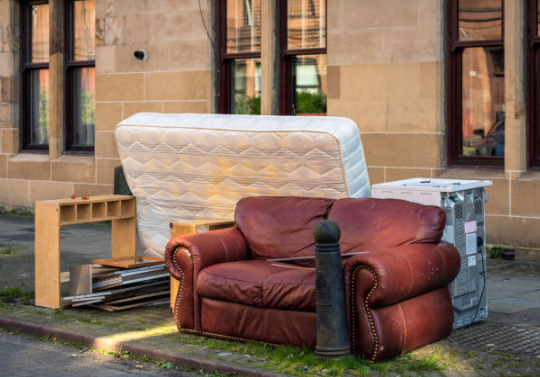
Donation is a good option for clothing, furniture, books, toys, kitchenware, and other items in reasonable condition. Always check whether an organization accepts specific items, especially mattresses, upholstered furniture, appliances, and damaged goods.
A simple rule is: If another person could reasonably use it, consider donating it before treating it as junk.
Recycle Old Materials
Recycling centers may accept cardboard, paper, glass, plastics, aluminum, scrap metal, electronics, and appliances, depending on local programs.
In the Philippines, recycling facilities and junk shops can provide alternatives to general waste disposal. Check with your local facility before transporting materials to confirm what it accepts.
Take Scrap Metal to a Junk Shop
Old metal may have value instead of being something you pay to dispose of. Consider taking aluminum, copper, steel, metal shelving, appliances, and metal furniture to a local junk shop or scrap buyer.
Ask what materials the facility accepts and whether they purchase recyclable materials.
Dispose of Electronics Properly
Electronic waste should not automatically go into ordinary garbage. Common e-waste includes:
- Computers and monitors
- Televisions
- Phones and tablets
- Printers
- Appliances
- Power banks and cables
- Gaming equipment
Look for an e-waste collection program or recycling facility that accepts your specific item. Edispo, for example, lists e-waste drop-off options, including HMR Envirocycle in Canlubang, Calamba, Laguna.
Check Local Waste Collection
Your local government or barangay may provide collection services for household waste, recyclables, furniture, appliances, or other bulky materials.
Rules differ by location, so contact your barangay or municipal waste management office to ask about collection schedules and accepted materials. Some local governments provide dedicated bulky-waste services for furniture and large appliances.
Use a Transfer Station
If your belongings cannot be reused or recycled, an approved transfer station or disposal facility may be an affordable option, especially if you already have a pickup truck, van, or trailer.
However, you’ll need to sort, load, transport, unload, and pay any applicable disposal fees yourself. This can work well for a small load but become inconvenient for a large cleanout.
Rent a Dumpster
A dumpster can be useful when you’re removing a large amount of material over several days. Residential dumpsters may cost approximately $300 to $600 or more, depending on size, rental period, location, and disposal fees.
Dumpsters work well for renovations ,garage cleanouts, remodeling, construction debris, and property cleanouts. The main drawback is that you have to load the dumpster yourself.
Hire a Junk Removal Service
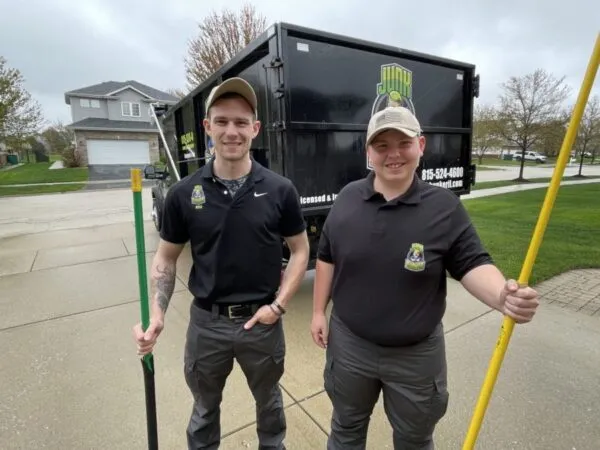
If you have a large amount of old stuff and don’t want to handle transportation yourself, professional junk removal is often the most convenient option.
A junk removal crew can typically:
- Arrive at your property
- Remove furniture and unwanted items
- Carry items from inside the home
- Load the truck
- Transport the material
- Handle appropriate disposal
- Clean the area afterward
Professional removal is especially helpful for estate cleanouts, moving, garage cleanouts, heavy furniture, appliances, and large amounts of household clutter.
Where to Get Rid of Old Furniture
Furniture in good condition: Sell it, donate it, give it away, or arrange a reuse pickup.
Damaged furniture: Consider municipal bulky-waste collection, recycling where available, a transfer station, or professional furniture removal.
Don’t leave large furniture on the curb unless your local collection program specifically permits it.
Where to Get Rid of Old Appliances
Old refrigerators, freezers, washing machines, dryers, ovens, microwaves, and air conditioners may require special handling because of electrical components or refrigerants.
Before transporting an appliance, confirm that your recycling center, e-waste facility, or disposal service accepts it.
Where to Get Rid of Old Clothes and Books
Clothing in good condition can be donated, sold, or given away. Damaged clothing may require a textile recycling program.
Books can be donated to schools, libraries, or community organizations, sold as used books, given away, or recycled if they are too damaged to reuse.
Where to Get Rid of Old Mattresses
Mattresses can be difficult to dispose of because ordinary garbage services often restrict bulky items. Check for municipal bulky-waste programs, mattress recycling facilities, retailer take-back programs, or professional junk removal.
Severely damaged or unsanitary mattresses generally aren’t suitable for donation.
Where to Get Rid of Old Stuff for Free
If your goal is to spend $0, start with:
- Give items away.
- Donate usable belongings.
- Sell valuable items.
- Check municipal bulk pickup.
- Find free recycling programs.
- Look for community collection drives.
- Separate scrap materials that may have value.
The disposal method should match the item. A usable chair may be donated, a metal shelf recycled, and an outdated computer taken to an e-waste facility.
How to Get Rid of a Whole House Full of Stuff
For a major cleanout, divide everything into:
Keep: Items you still use.
Sell: Belongings worth enough to justify selling.
Donate: Clean, usable items.
Recycle: Metal, cardboard, electronics, and other recyclable materials.
Dispose: Everything remaining.
For a small amount, DIY disposal may be cheapest. For a large amount, compare the cost of a dumpster with professional junk removal.
How Much Does It Cost?
| Method | Approximate Cost |
| Give away | $0 |
| Donate | $0 or low cost |
| Sell | $0 and potentially earn money |
| Recycle | Free to low cost |
| DIY disposal | 30–150+ |
| Dumpster | 300–600+ |
| Junk removal | 150–800+ |
Heavy materials, specialty items, large volumes, difficult access, and transportation distances can increase costs.
Frequently Asked Questions
Where is the best place to get rid of old stuff?
Sell or donate usable belongings, recycle suitable materials, and use municipal collection, transfer stations, or junk removal for items that cannot be reused.
How can I get rid of old stuff for free?
Give items away, donate usable belongings, sell valuable items, use free municipal collection programs, or find local recycling opportunities.
Is it cheaper to haul old stuff away myself?
DIY disposal can be cheaper if you already have a suitable vehicle and a small amount of junk. Truck rental, fuel, disposal fees, and your time can make professional removal worthwhile for larger cleanouts.
When is junk removal worth paying for?
Professional junk removal is useful when you have a large volume of unwanted items, heavy furniture, difficult-to-access belongings, or no suitable vehicle.
Conclusion
If you’re wondering where to get rid of old stuff, don’t assume the landfill is your only option. Start by sorting everything into sell, donate, give away, recycle, and dispose categories.
For the cheapest approach, start with free options. For the easiest approach, professional Junk Removal can save you the work of lifting, loading, transporting, and disposing of everything yourself.
Need Help Getting Rid of Old Stuff?
If you have too much furniture, appliances, household clutter, or other unwanted items to handle yourself, Junk Bunker Junk Removal can help.
For professional Junk Removal, call Junk Bunker Junk Removal at +1 815-524-4600 to discuss your cleanup needs and request an estimate. Whether you’re clearing a garage, removing furniture, preparing for a move, or tackling a property cleanout, professional junk removal can save you time and physical effort.