

Hot tubs symbolize relaxation, indulgence, and a private retreat in the comfort of one’s backyard. They offer a soothing escape from the pressures of daily life, a place to unwind, soak, and rejuvenate. Yet, despite the enjoyment they provide, there comes a time when a hot tub must be removed. This could be due to upgrading to a more modern or efficient model, renovating outdoor spaces, or simply because it has outlived its usefulness. The thought of removing a hot tub often feels overwhelming, as these units are notoriously heavy and cumbersome. However, with careful planning, a clear understanding of the process, and the right tools, hot tub removal can be transformed from a daunting task into a manageable project. Approaching it strategically ensures safety, efficiency, and minimal disruption to your property. Preparing mentally and physically is the first step toward a smooth removal process.
Assessing the Situation
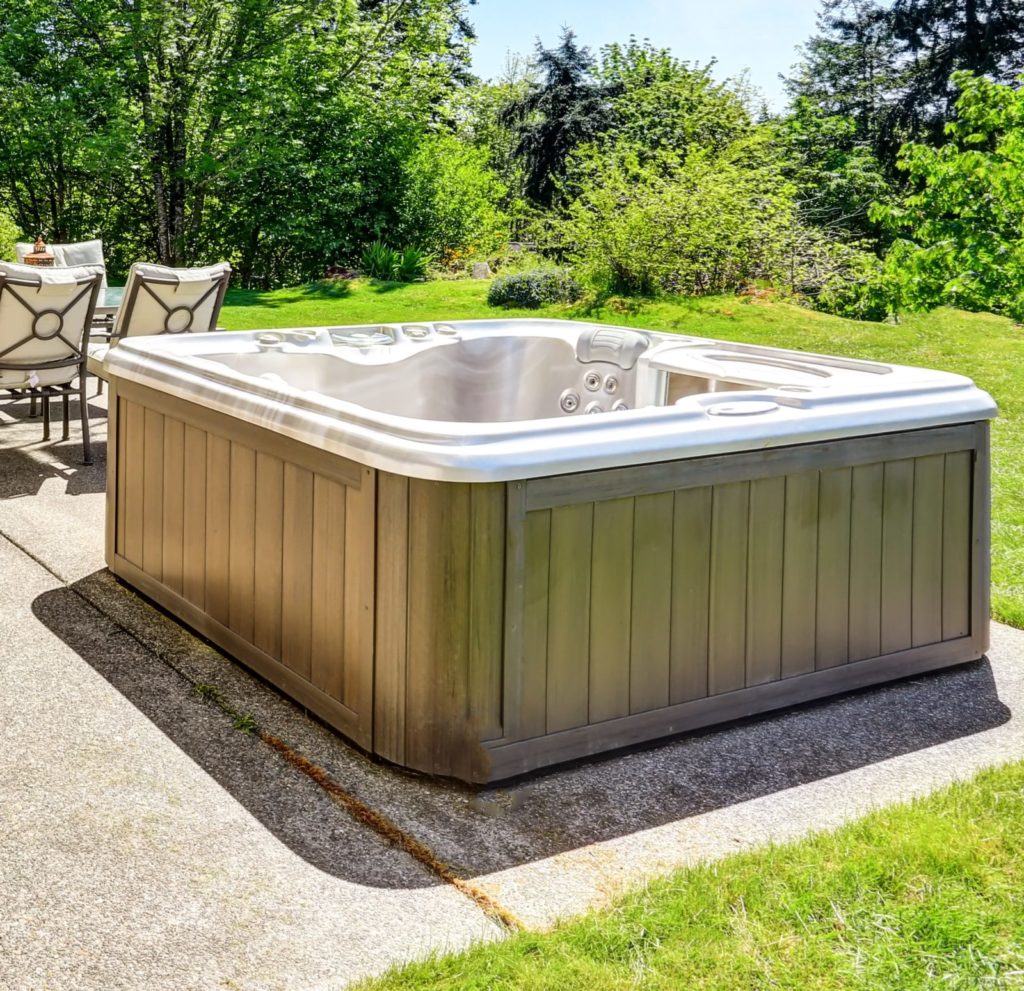
Before taking any physical steps toward removing a hot tub, it is critical to thoroughly assess the situation. Hot tubs come in various types and designs, each requiring a slightly different approach. Portable hot tubs, for instance, are standalone units that can often be moved with relative ease, though they still carry substantial weight. These models typically sit on decks or patios and are connected to electrical sources via a plug, which makes disconnection simpler but still requires caution. Built-in or in-ground hot tubs, on the other hand, are permanent fixtures integrated into the landscaping or deck structure. These require more complex disassembly and may involve cutting sections, removing decking, or rerouting utilities. Understanding the type of hot tub and the surrounding environment informs the tools needed, the number of people required, and the method of removal. Taking time to evaluate the situation prevents surprises, minimizes damage, and ensures the process proceeds efficiently, setting the stage for a safe and organized removal.
Safety First
Safety is paramount when handling a hot tub removal project. The combination of water, electricity, and heavy equipment makes the task potentially hazardous if proper precautions are not taken. Protective gear is essential, including thick gloves to protect hands from sharp edges, safety goggles to shield eyes from debris, and sturdy boots, ideally steel-toed, to prevent foot injuries. Beyond personal protection, it’s important to gather the correct tools. Wrenches, screwdrivers, a reciprocating saw, and crowbars may all be necessary depending on the tub’s construction. Many hot tubs are extremely heavy, making assistance from at least one additional person highly advisable. Attempting to maneuver a large unit alone significantly increases the risk of strain or injury. By planning safety measures carefully, preparing your equipment, and enlisting help, you reduce the likelihood of accidents, protect your property, and create a more efficient workflow. A structured, safety-conscious approach ensures the process is not only effective but also responsible.
Draining the Water
Attempting to move a filled hot tub is impractical and extremely dangerous, making water removal the next essential step. First, locate the drain valve, typically positioned at the bottom of the tub, and connect a garden hose to channel the water safely away from structures, landscaping, or delicate surfaces. For hot tubs without a dedicated valve or for those seeking a faster method, a submersible pump can quickly remove water from the unit, even in substantial volumes. During this step, the filters should be removed and cleaned or set aside if you intend to reuse them or sell the components. Draining must be done carefully to avoid flooding areas around the tub or causing unnecessary damage. By addressing the water first, the hot tub becomes lighter, safer to handle, and easier to disassemble. Proper draining is a critical preparatory step, forming the foundation for a smooth, controlled removal process.
Disconnecting Utilities
Before any dismantling begins, it is vital to disconnect the utilities connected to the hot tub. Electrical connections pose serious hazards, so the power should always be turned off at the breaker. Hardwired systems require the expertise of a licensed electrician to ensure wires are safely disconnected, eliminating the risk of shock or fire. Plumbing lines must also be disconnected, and while it may seem straightforward, residual water can spill out, so towels or small containers are recommended to manage any leaks. Properly handling utilities protects both the homeowners and the equipment from damage, while also preparing the tub for safe disassembly. Skipping this step can lead to accidents, costly repairs, or interruptions during the removal process. Taking the time to carefully manage electrical and plumbing connections ensures that the remainder of the hot tub removal proceeds without risk and aligns with safety standards and local regulations.
Disassembling the Hot Tub
With the utilities safely disconnected and the water drained, disassembly becomes the primary focus. Begin by removing skirting or external panels that surround the hot tub. These panels are often secured with screws or bolts, which must be carefully removed to prevent damage to the tub or surrounding areas. For larger units, particularly built-in or in-ground hot tubs, cutting the shell into smaller, manageable pieces may be necessary. A reciprocating saw is commonly used for this purpose, but protective gear is essential to prevent injuries. Once the outer shell is removed, internal components such as pumps, heaters, and jets can be extracted. These pieces are often recyclable or sellable. Careful and methodical disassembly ensures each component is safely removed, reduces the chance of property damage, and allows for efficient transportation of the materials.
Moving the Hot Tub
Once the hot tub has been disassembled into smaller parts, moving it to the disposal or storage area becomes significantly more manageable. Smaller pieces can be transported using a dolly or hand truck, reducing physical strain and minimizing the risk of dropping or damaging components. For larger sections or in cases where a personal vehicle is insufficient, renting a trailer may be necessary to transport the debris. Maneuvering these heavy pieces requires planning and coordination, especially around obstacles such as narrow pathways, landscaping features, or uneven ground. Enlisting the help of professionals can be a smart choice if the logistics become too complex or if the weight of the components exceeds what a homeowner can safely handle.
Disposal and Recycling
Once the hot tub is removed, proper disposal is the next consideration. Local regulations often dictate how and where hot tub materials may be discarded, so contacting your waste management facility or local municipality ensures compliance. Components such as metal frames, pumps, and wiring can often be recycled at scrap metal centers, minimizing environmental impact. Plastics and fiberglass, depending on local guidelines, may require specialized disposal. If the hot tub is still functional, another option is donation or resale. Nonprofits, community organizations, or individuals in need may accept a working unit, providing an opportunity to give the tub a second life.
Final Touches
After a hot tub has been removed, the area it occupied may need some restoration or maintenance. Decking that was cut or disturbed during disassembly should be repaired or replaced to maintain safety and aesthetics. Bare patches of lawn can be reseeded, or mulch can be spread to restore the appearance of landscaping. Beyond repair, the open space presents an opportunity to reimagine your backyard or patio. Some homeowners choose to create a garden, install a fire pit, or set up new outdoor furniture, transforming the area into a fresh, functional space. Planning for this post-removal phase ensures the transition from old to new is smooth and visually appealing.
Preparing Your Outdoor Space
Before beginning the hot tub removal, taking time to prepare your outdoor space can make the process significantly easier and safer. Clearing pathways, removing obstacles, and ensuring there is adequate room to maneuver heavy components reduces the risk of accidents and property damage. If your backyard has delicate landscaping, consider laying down protective boards or tarps to prevent ruts, scratches, or crushed plants. It is also wise to map out the route to the disposal or loading area in advance, noting any tight corners, steps, or uneven terrain. Proper preparation extends beyond just physical space—it includes planning for tools, helpers, and a clear timeline. By setting up your environment thoughtfully, you can streamline the removal process, reduce stress, and maintain the integrity of your property.
Handling Large or Unusual Hot Tub Models
Not all hot tubs are created equal, and certain models present unique challenges. Oversized tubs, multi-person units, or those with irregular shapes can complicate removal, making standard techniques insufficient. In these cases, additional planning and equipment may be required. Heavy-duty lifting straps, reinforced dollies, or hydraulic jacks might be necessary to move particularly large sections safely. It is also important to carefully inspect the tub for fragile components, such as integrated electronics, glass panels, or decorative features that could be damaged during disassembly. Proper handling of unusual models demands patience, precision, and sometimes creative problem-solving to avoid injury or property damage.
Conclusion
Removing a hot tub is a complex project that requires careful planning, attention to detail, and a commitment to safety. By draining water, disconnecting utilities, disassembling components, and properly transporting the materials, homeowners can ensure the process is manageable and efficient. Considering disposal and recycling options further promotes responsible and environmentally conscious removal. Those in the Frankfort, Illinois area seeking professional assistance can rely on Junk Bunker Junk Removal. Our licensed and experienced team specializes in hot tub removal, providing a seamless and stress-free service. We handle every aspect, from disassembly to transportation and disposal, with precision and care. To schedule a removal or learn more, contact us at 815-524-4600 or email [email protected], and let our team help you reclaim your space efficiently and safely.